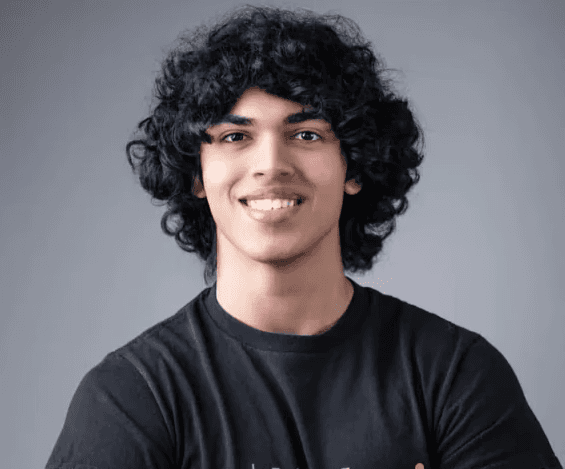
 Ishraq Khan
Risk Doesn’t Mean Reckless
People love the word risk when it comes to startups, but I think most of them misunderstand what it actually means.
They’ll say things like “you’re such a risk-taker” or “you must love uncertainty.” Taking risks isn’t about being fearless, though, and it isn’t about chaos. It’s definitely not about going all-in for the thrill of it.
Real risk, the kind worth taking, is about clarity under pressure. It’s about making bets when you don’t have all the data but still know the direction. It means moving forward when the safest option is to wait, and doing it anyway because you believe what you’re building deserves more than hesitation.
What Risk Looked Like for Me
For me, risk wasn’t dropping out of college. It was turning down 40+ acceptances, including Ivy Leagues, after doing IB, AP, and everything I was “supposed” to do to succeed. That wasn’t reckless. It was choosing alignment over expectation.
Risk also wasn’t building Kodezi before ChatGPT existed. It was spending years on a system no one had asked for yet, because I saw the problem before it was fashionable to solve. I don’t see that as gambling. It was conviction before validation.
It wasn’t staying up nights rewriting models and scoping architecture I hadn’t seen done before, either. The real risk was continuing when there was no roadmap, just a blurry vision and the belief that clarity would follow effort. That’s what real risk is to me: deliberate uncertainty with direction.
Recklessness Is Easy. Risk Requires Design.
Anyone can jump into something unprepared and call it brave. But most of what people call “risk” is really just impulse, noise without reflection. Recklessness is a form of avoidance. It avoids thinking, planning, and being accountable to outcomes. Risk is the opposite. It forces you to slow down enough to understand what you’re risking and why. It means you accept failure as a possibility, but never as an excuse not to care.
I’ve Made Both Kinds of Bets
I’ve rushed decisions I should’ve thought through. I’ve built features that didn’t need to exist, and I’ve said yes to things that weren’t aligned because I confused motion with progress. That was me being reckless.
But I’ve also walked away from things that looked safe on paper. I’ve spent months working on invisible backend systems instead of flashy features, because I believed stability was worth more than applause. Again and again, I’ve chosen long-term over loud. That’s risk, and it’s something I’ll keep choosing.
You Can’t Avoid Risk, So You Might As Well Respect It
If you’re building anything that matters, risk is part of the contract. What separates the founders who burn out from the ones who build real systems isn’t fearlessness. It’s discernment. Risk isn’t jumping out of a plane. It’s jumping knowing you packed your own parachute, and knowing that if you land wrong, you’ll still walk away smarter.
That’s how I build and how I lead. It’s also how I want Kodezi to feel: not reckless, just necessary.